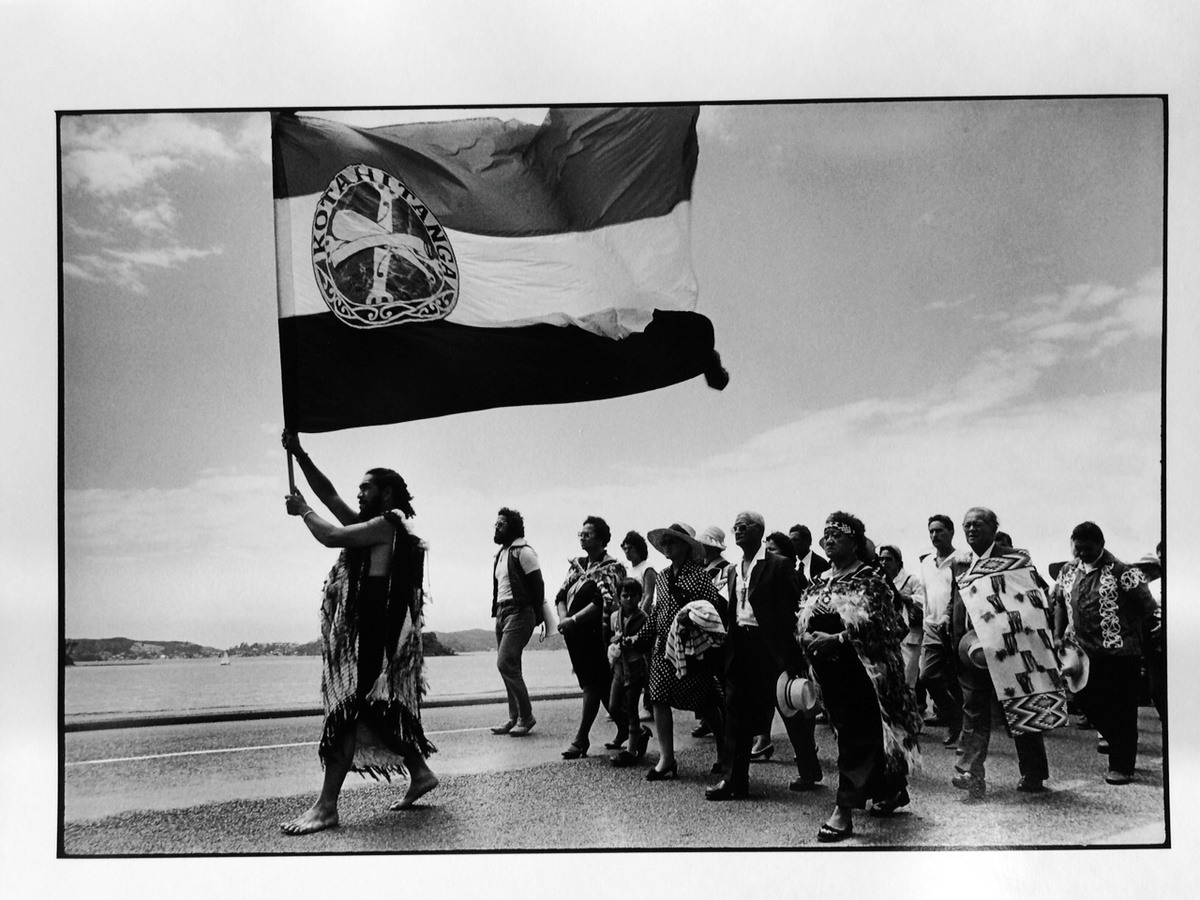
... Waitangi
.. hīkoi ki Waitangi, 1984 and Waitangi Day 2000
(work prints from the time)
1// hīkoi ki Waitangi, 6 February 1984
2// Eva Rickard outside Tūrangawaewae, hīkoi ki Waitangi, 1984
3// Waitangi Day, 6 February 2000
.. hīkoi ki Waitangi, 1984 and Waitangi Day 2000
(work prints from the time)
1// hīkoi ki Waitangi, 6 February 1984
2// Eva Rickard outside Tūrangawaewae, hīkoi ki Waitangi, 1984
3// Waitangi Day, 6 February 2000
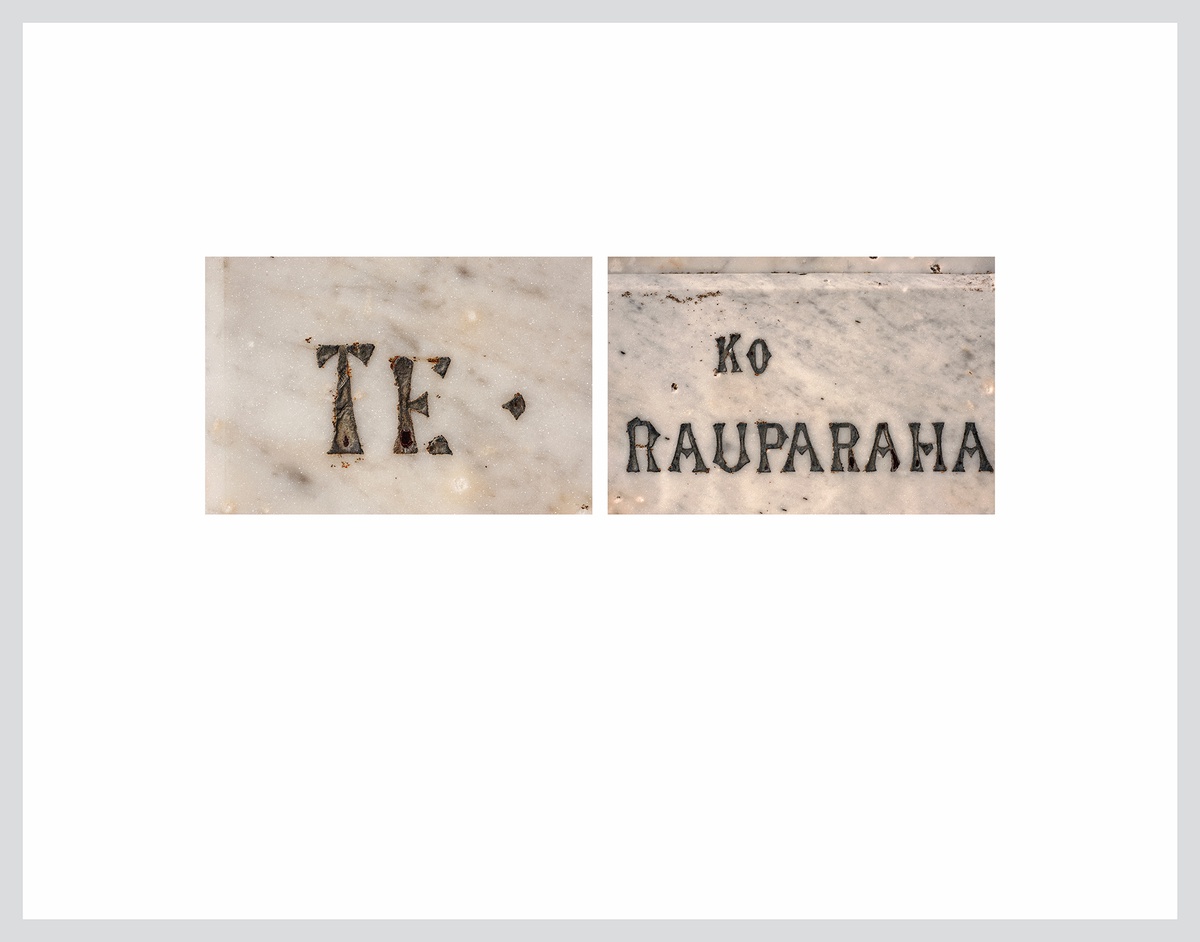
... texts and parts of texts
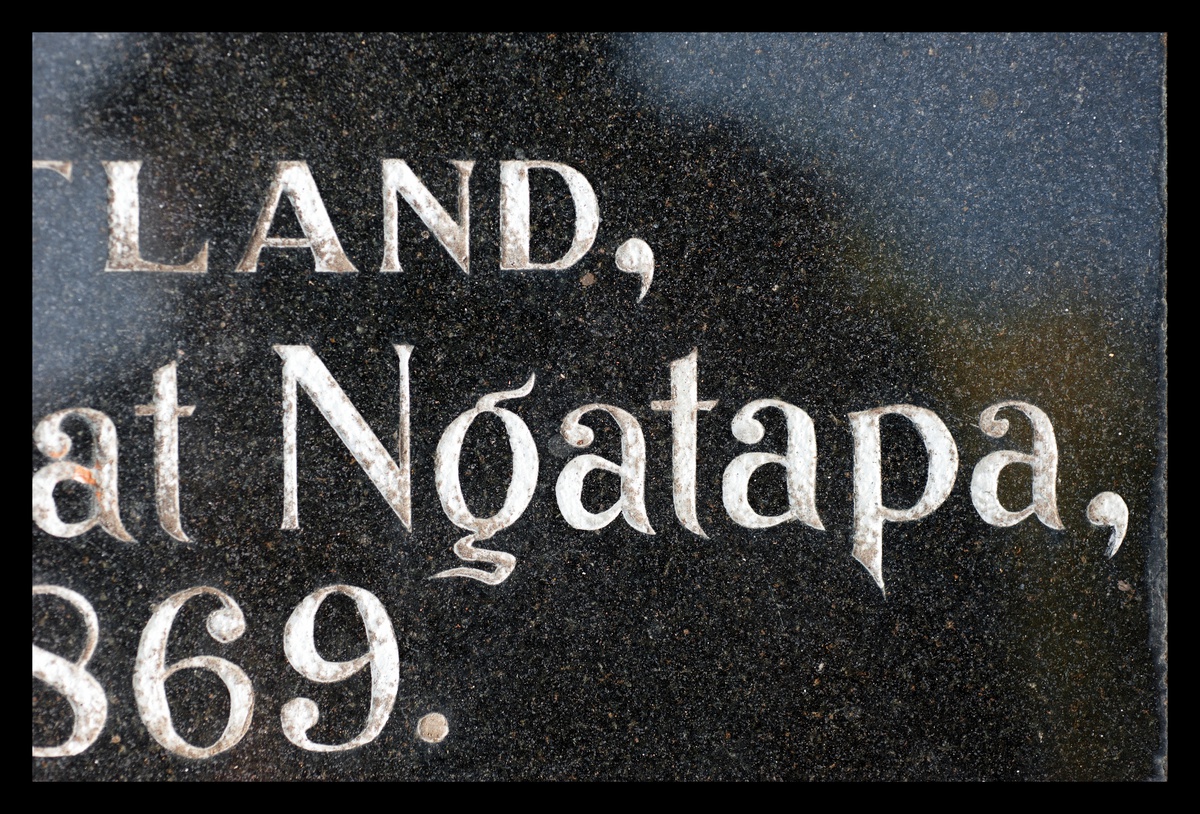
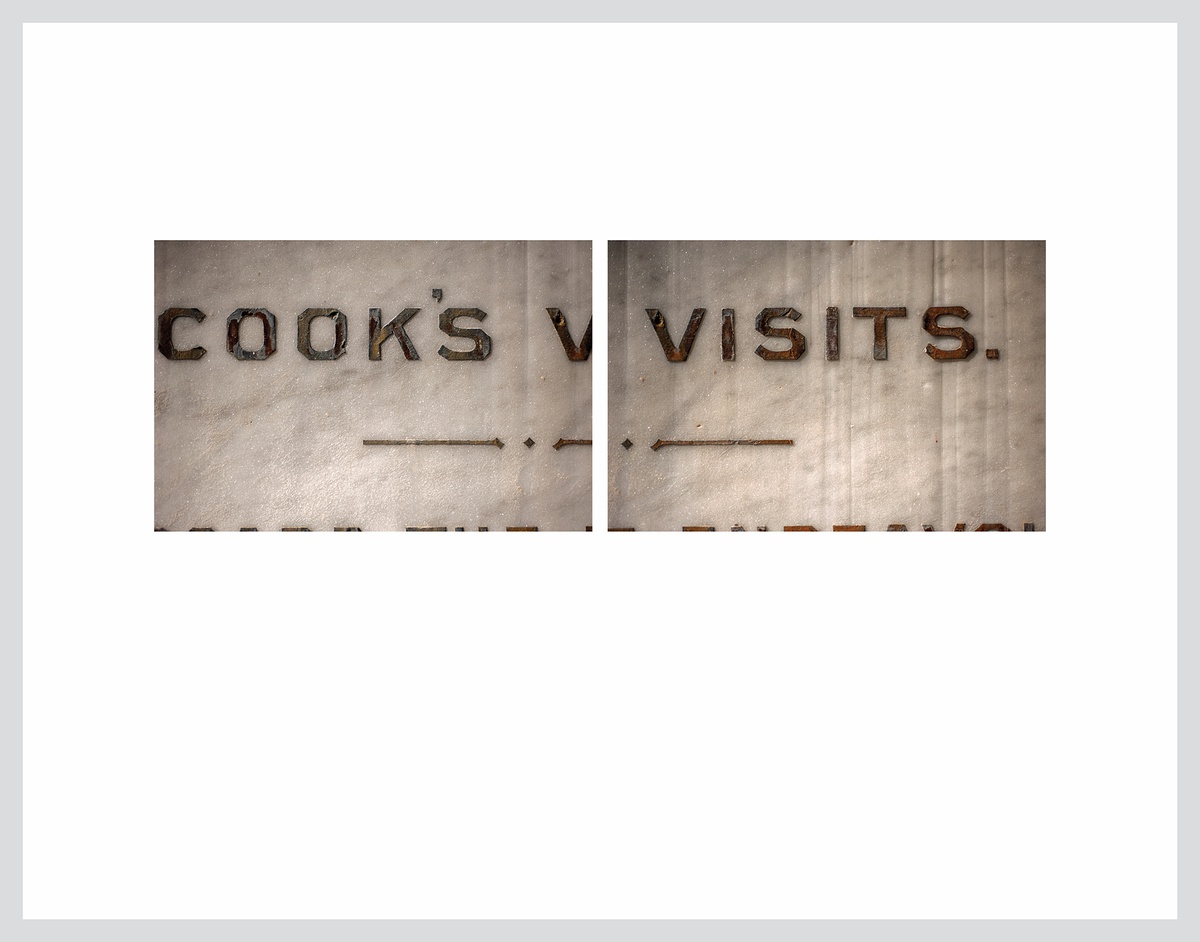
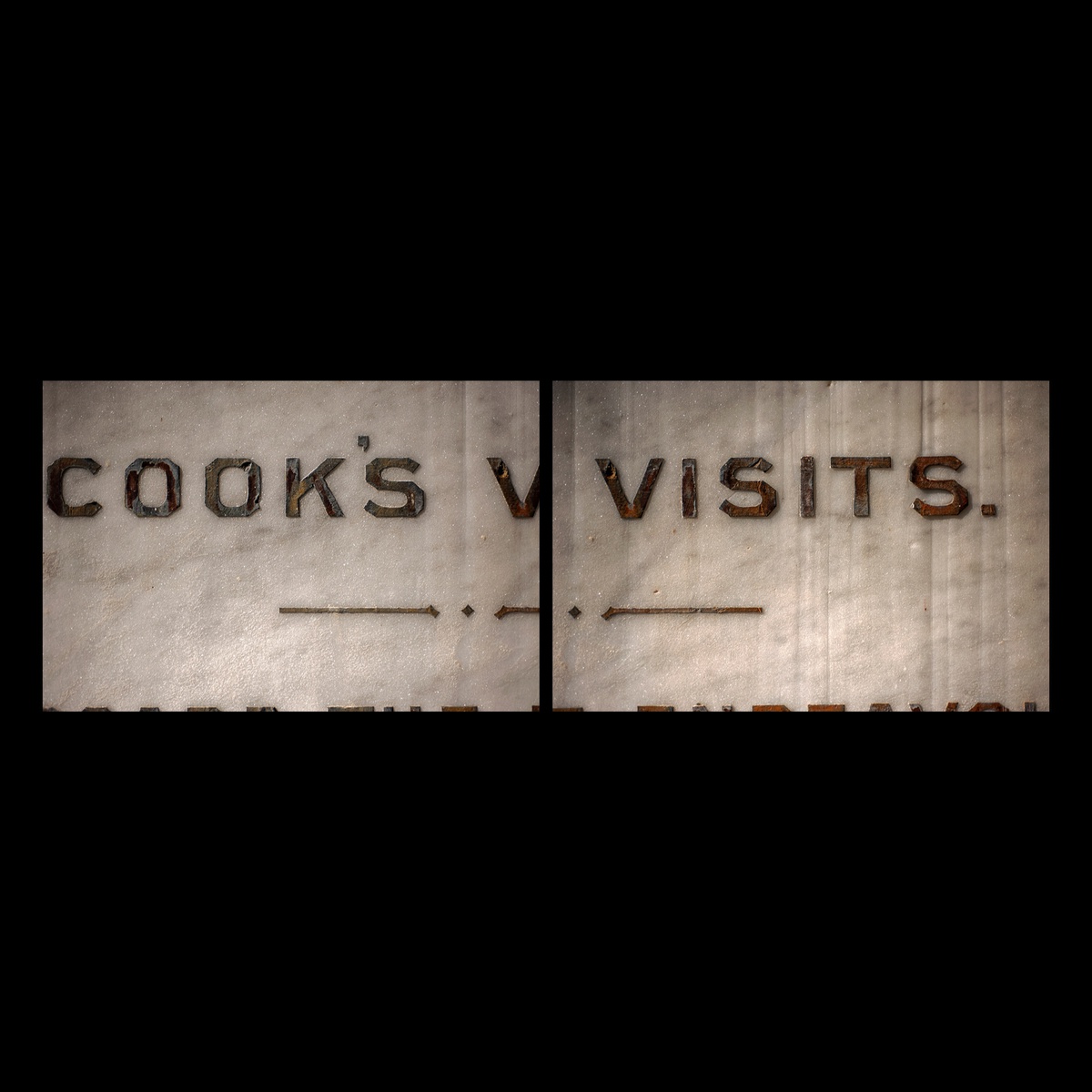
Two image works from ‘A Vocabulary, a vocabulary of colonisation, British colonisation of Aotearoa New Zealand, texts and parts of texts from the memorials and some gravestones from a reprehensible war.
Both works are in the artist book and exhibition, with Rangihīroa Panoho’s mōteatea and kōrero.
The book is almost out of print and the exhibition is at Toi Tauranga Tauranga Art Gallery until 23 January 2022, which means we in Tāmaki Makaurau will get to see it once Tāmaki borders open mid-December with hesitation behind the exodus, double-vaccinated, vaccine passes, no symptoms, masks, sanatiser and respect.
BRUCE CONNEW / 12.2021
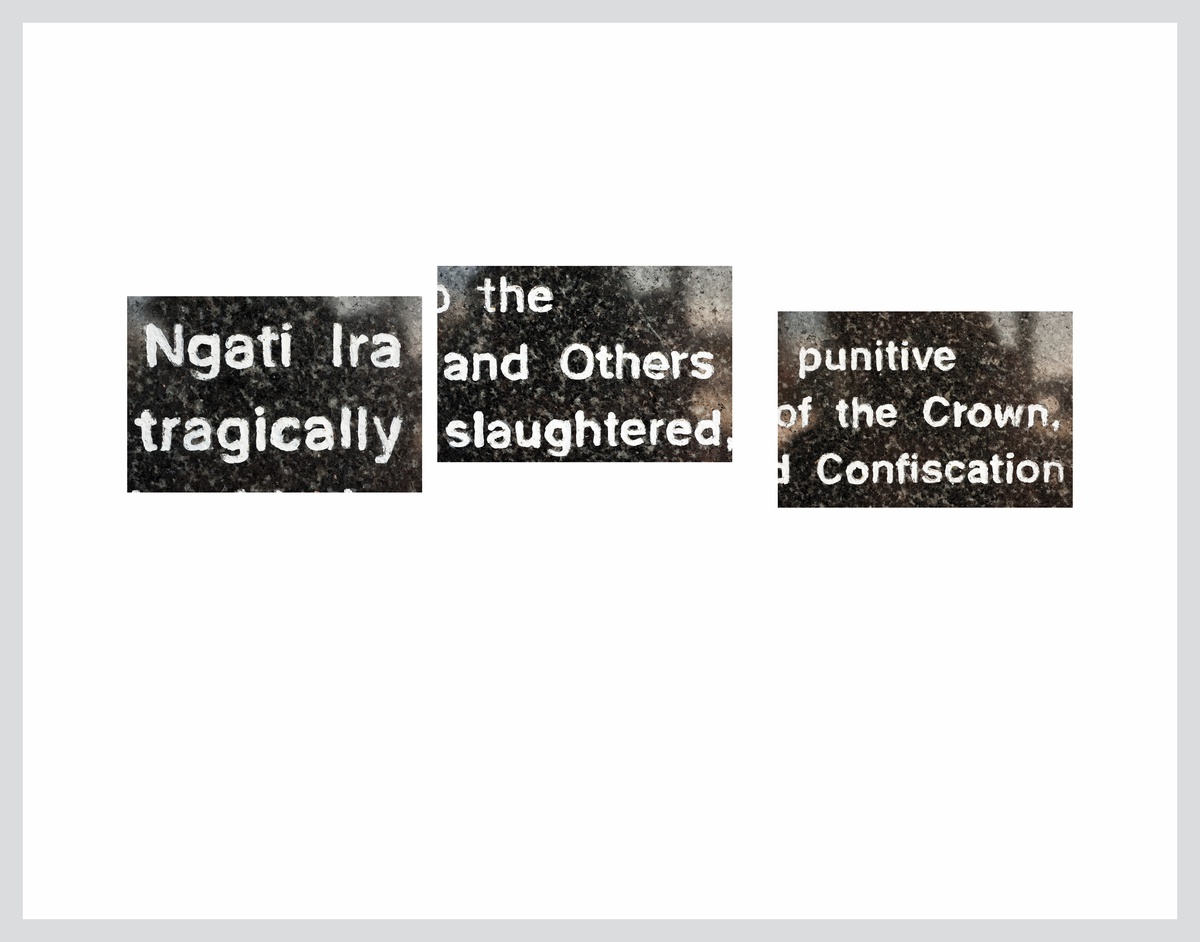
.. ‘A Vocabulary’ review by John Hurrell, EyeContact, 11 February 2021
“a sort of stuttering collective poem”
“ isolated parts of speech vital to Connew’s aims, like the conjunction ‘and’ or adverb ‘also’ used to account for tragedies on both sides”
“Sometimes in this Vocabulary Connew counter-charges by butting words from different images together—such as ‘tragically’ and ‘slaughter’—or showcasing ‘punitive of the crown, confiscation’”
https://eyecontactmagazine.com/2021/02/creating-a-common-vocabulary
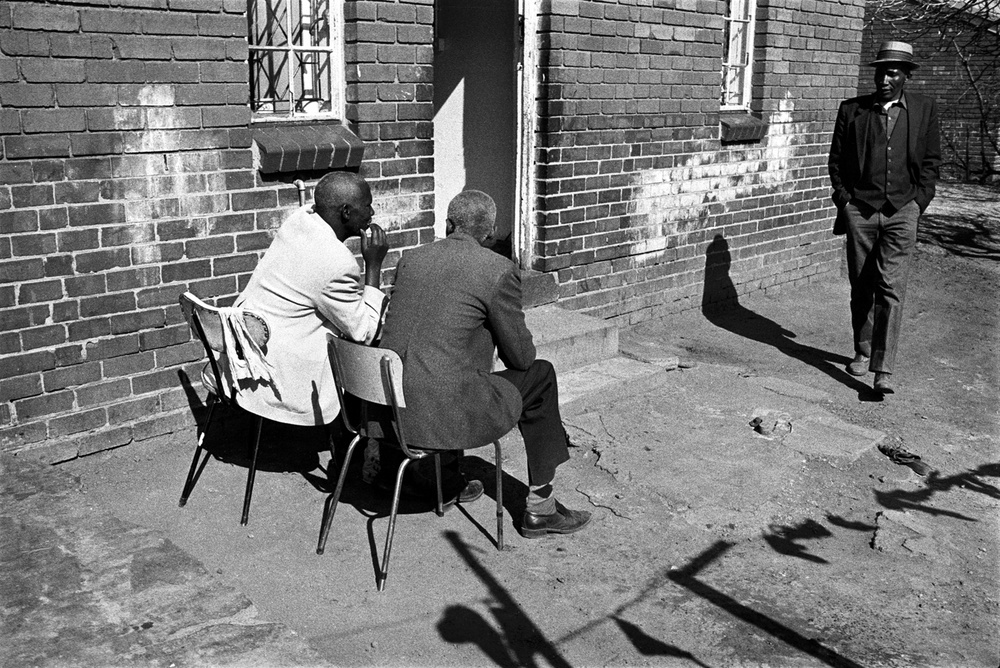
All Blacks defeat Springboks, Ellis Park, Johannesburg, 13 August 2022
The All Blacks defeated the Springboks today at Ellis Park, Johannesburg, a weirdly disturbed week in New Zealand rugby, and across Aotearoa New Zealand if our sports media are to be taken seriously.
These three images in Soweto, South Africa, July 1985, were taken after the shamefully programmed All Black tour of apartheid South Africa was stopped by the New Zealand High Court.
Vernon Wright, then a writer for the NZ Listener magazine and I headed to South Africa for five weeks to look on the other side of the fence in the towns and cities the doomed All Black tour would have travelled.
https://bruceconnew.com/projects/south-africa
... ‘A Vocabulary’ conversation with Kim Hill, 19 December 2020
Kim Hill and Bruce Connew discuss his work leading to the artist book ‘A Vocabulary’, with he mōteatea and essay by Rangīhiroa Panoho, design a collaboration between Catherine Griffiths and Bruce Connew .. the exhibition at Te Uru Waitākere Gallery, Titirangi ended 14 February 2021
... a short story of an art school library
The odious proposal to cast out the library at the University of Auckland’s Elam School of Fine Arts brought to mind the other day my skirmish with an art school in Guildford, just south of London 45 years ago ... for the nine months of my truncated art school tenure, with complete disregard for tutors and their exasperating assignments, I hunkered down in the school’s prodigious library, kicking-off in one corner and reading my way round the shelves for months and months, anything and everything, books of photography, books about photography, and plenty beyond: Henri Cartier-Bresson images, Robert Frank’s ‘The Americans’, not quite grasping either, to a swashbuckling David Douglas Duncan’s ‘Yankee Nomad’, to ‘Words and Pictures’ by Wilson Hicks, and R. Smith Schumann’s ‘Photographic Communication’, which led to Frazer’s ‘The Golden Bough’, and Koestler’s ‘The Sleepwalkers’ … Man Ray, Callahan, Minor White, Brassaï, Cunningham, Dorothea Lange, Walker Evans, Uelsmann, Koudelka, Weston, Stieglitz, Eisenstaedt, McCullin, Eugene Smith, Gordon Parks and many, many more, a bringing to light.
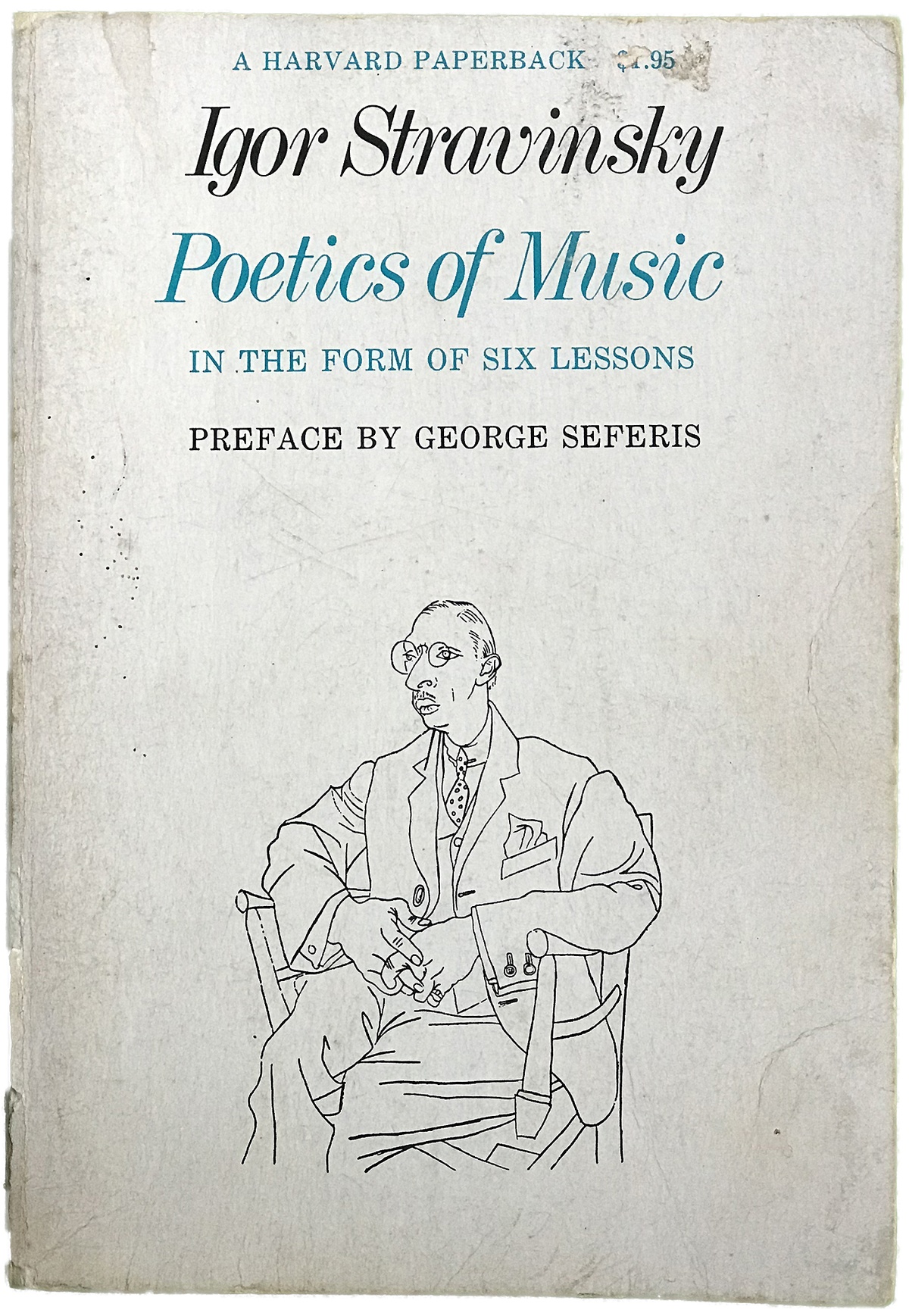
The ‘Poetics of Music’, a paperback book of a series of lectures delivered by Igor Stravinsky at Harvard University 1939-1940, presented itself one morning. While the philosophy of music was very far from my capacity, I flicked open the pages and read (my copy still has its underlines): “Whatever diminishes constraint, diminshes strength.” I embraced this book hard, read and re-read it, sometimes only to replace the word ‘music’ with ‘photography’, a book about the sheer miscellany of the photography and texts on these shelves, a beacon, a lexicon almost, for understanding the bounty of this uncommon library.
When I told this story to the late Pete Turner, bon vivant, exile, and very smart and quick-witted editor of the now defunct, but then important, ‘Creative Camera’ magazine out of London, he said he too went to this art school in Guildford, only a few years before me, and then the library had been meagre, until the students brawled for it during the mighty political upheavals of 1968 .. a library is worth a good dust-up.
... ‘A Vocabulary’ review by historian, Ewan Morris, PastWord, 26 April 2021
Bruce Connew, A Vocabulary
Yesterday was Anzac Day, and across Aotearoa New Zealand, people gathered to commemorate at memorials to New Zealand’s involvement in overseas wars. Many other memorials across the country, however, were created to remember the wars that took place within Aotearoa between Māori and the forces of the settler state in the nineteenth century. In a recent exhibition and book, the photographer Bruce Connew focuses his camera and our attention on these other war memorials.
‘A Vocabulary’, a vocabulary of colonisation.
No lockdown escape from Tāmaki this Saturday, 23 October, to eyewitness ‘A Vocabulary’ open at Toi Tauranga, Tauranga Art Gallery .. can’t even see the installation populate the walls this week, or meet kanohi ki te kanohi with kaumātua from iwi and hapū who will caringly bless the show before it opens .. a grand opening for Toi Tauranga’s complete suite of new exhibitions, including ‘A Vocabulary’, will happen Friday, 26 November, when, maybe, there’ll be enough vaccine gushing through our collective selves for Tāmaki to be released.
A tiresome Delta isolation for Auckland this one, but critical, thankful we’re double-vaccinated with an array of three-layer masks and sanitisers .. go well ‘A Vocabulary’, a vocabulary of colonisation.
The artist book is almost out of print, now working on an e-Book, or somesuch.
BRUCE CONNEW / 10.2021
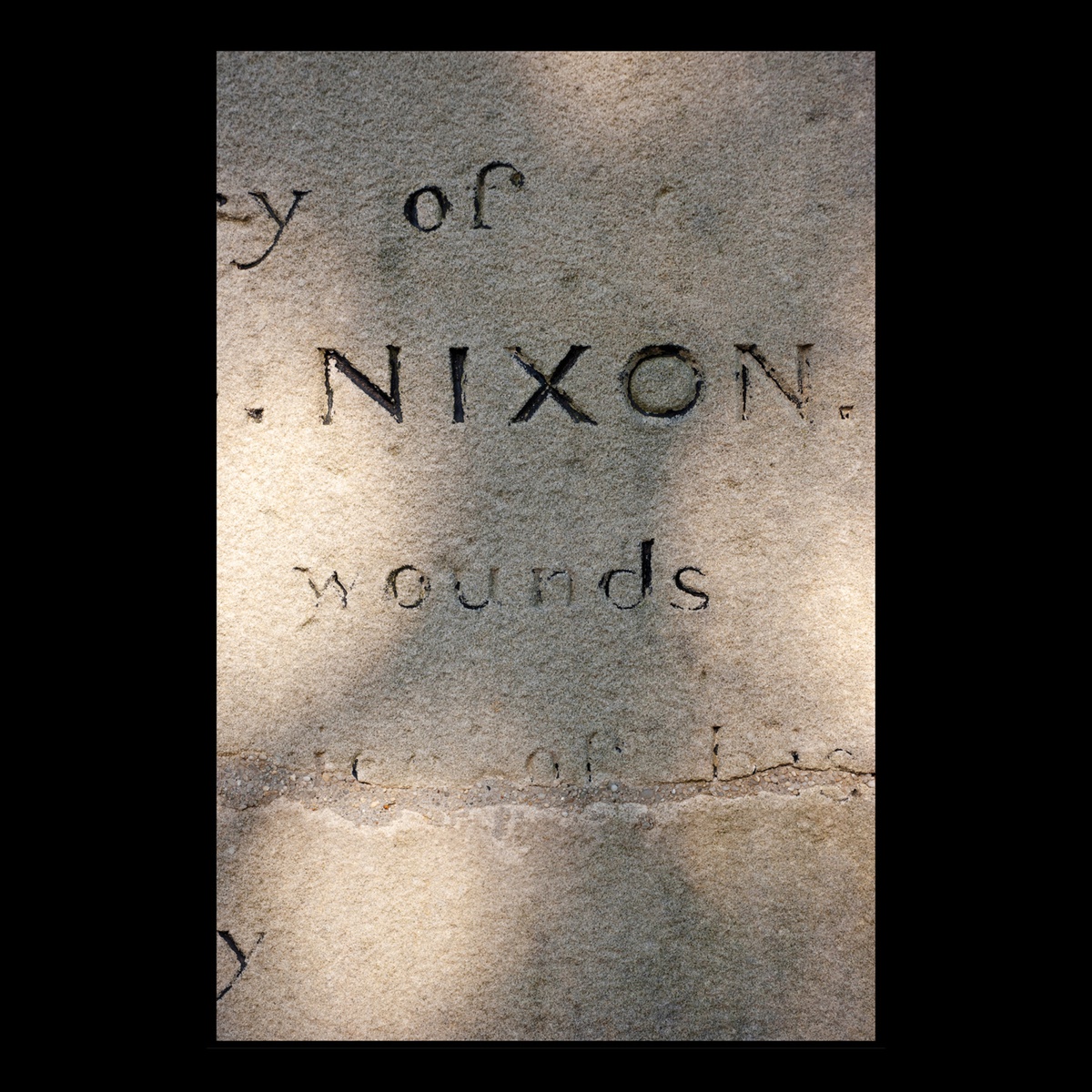
.. a brutal dispossession
.. the captions to these two images from the artist book ‘A Vocabulary’ are below .. one of the more heinous episodes of Aotearoa New Zealand’s colonial wars .. the gravestone of Col Marmaduke George Nixon and the iwi pou whakamaumahara on the site that became whenua raupatu, confiscated Māori land, part of a brutal dispossession.
‘Gravestone, Col Marmaduke George Nixon, commander Colonial Defence Force Cavalry, with Capt Gustavus Ferdinand von Tempsky, No 2 Company Forest Rangers, 65th Regt, under Lt Gen Duncan Alexander Cameron, colonial and British forces, fatally wounded in the attack against Ngāti Apakura, Ngāti Hinetū and others, kāinga o Rangiaowhia, 21 February 1864. Triangle Reserve, Ōtāhuhu.’
‘Pou whakamaumahara (2015), attack against Ngāti Apakura, Ngāti Hinetū and others, kāinga o Rangiaowhia, by Col Marmaduke George Nixon, commander Colonial Defence Force Cavalry, with Capt Gustavus Ferdinand von Tempsky, No 2 Company Forest Rangers, 65th Regt, colonial and British forces, under Lt Gen Duncan Alexander Cameron, kāinga o Rangiaowhia, 21 February 1864. Rangiaowhia.’
//buy the book
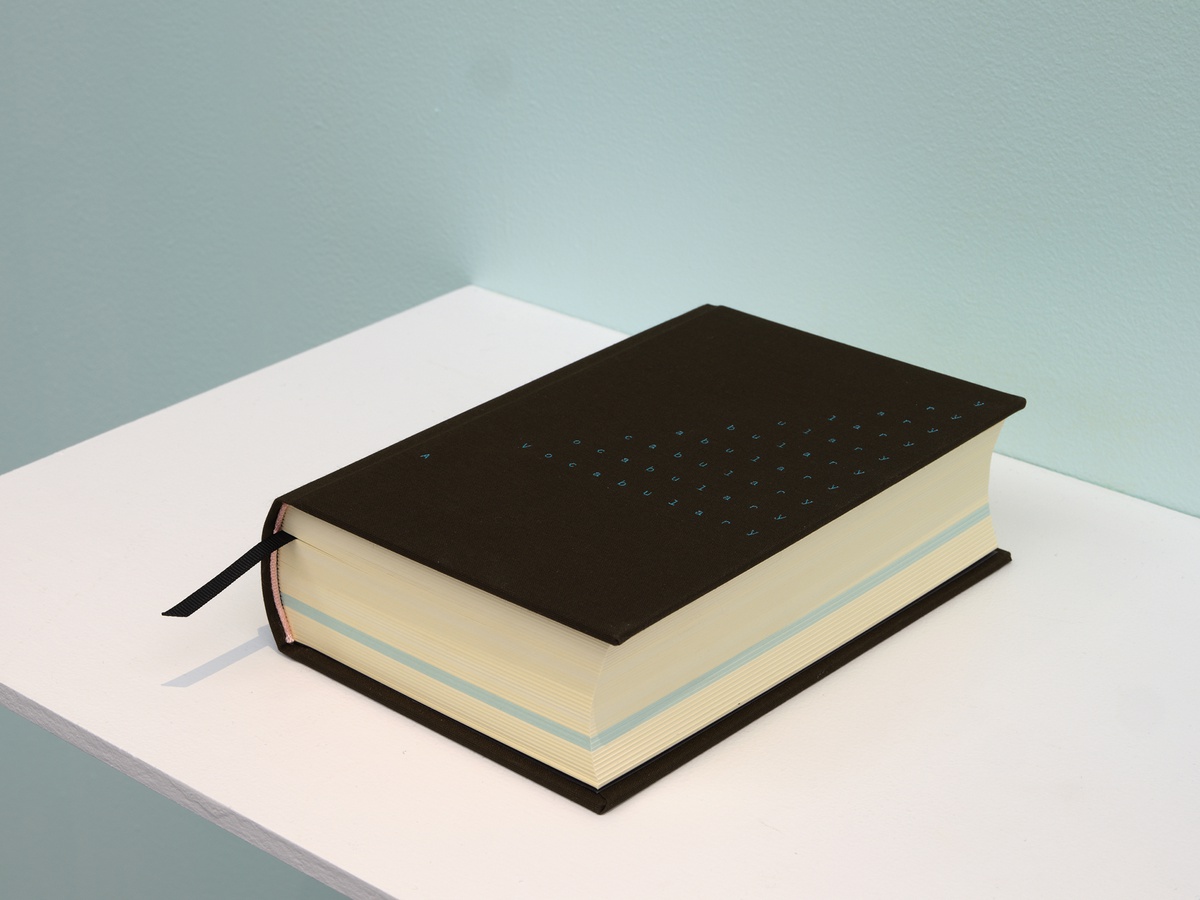
‘A Vocabulary’, Bruce Connew, is a 604-page, cloth, case-bound artist book in an edition of 325 (Vapour Momenta Books, 2021): 306 works, an introduction, ‘A vocabulary of colonisation’, with He Mōteatea The Lament, and essay The Sandfly Nips...The Conversation Continues by Rangihīroa Panoho.
After three years research, fieldwork, edit, research, more research, Covid-19, research, design, print and bind, the artist book and accompanying exhibition are here, the exhibition previewed 16.00 – 18.00h, Saturday, 12 December 2020, Te Uru Waitākere Contemporary Gallery, Titirangi, Tāmaki Makaurau Auckland. The book is available at Vapour Momenta Books.
“I step mindfully onto the farmland to photograph a panorama of the battle site from both Māori and Pākehā points of view. After several footsteps, and with some bafflement, I stop dead in my tracks at a strange sensation deep inside my belly, which today I’m still unable clearly to throw light on. History was here, I grasp that, but this was out of that range. Does earth hold memory, and deliver that memory when the gravity is ripe? I quietly push forward. It was not the only occasion this phenomenon manifested while roaming the battles of Aotearoa’s reprehensible colonial wars. The memory of that memory has not grown pale.
Over several recent years, not the least abstractedly, I’ve roamed more, this time after the many memorials and gravestones for the dead of these wars, or more specifically, the texts on these testaments to folly. A vocabulary of colonisation.” Bruce Connew
Daniel Boetker-Smith reviews ‘Body of Work’, photo-eye Book of the Week.
Tuesday, May 10, 2016
This week’s Book of the Week pick comes from Daniel Boetker-Smith who has selected ‘Body of Work’ by Bruce Connew from Vapour Momenta Books.
“Today Radiohead released their first new song in years. I’d set aside the afternoon especially to write this review of Bruce Connew’s newest publication ‘Body of Work’, with no idea that the quintet from Oxford who have crafted the soundtrack of my adult life would inadvertently tell me how to read and understand Connew’s book.
‘Street Spirit (Fade Out).’ I can remember the lurid lines: ‘Cracked eggs dead birds / scream as they fight for life / I can feel death / can see its beady eyes.’ These words have been etched into my psyche since I first heard them in 1995. Hearing these lines again today after a number of years it seems that nothing can more accurately describe Bruce Connew’s new book. Connew has been around, making books, since the late 80s, and he is somewhat of a national treasure in New Zealand; a prolific, smart and eminently generous artist. But he’s never made a work like this before, and I’m not sure he ever should or could again. This is his ‘Heart of Darkness’.
.. ‘A Vocabulary’ review, Paul Diamond, 25 January 2021
Paul Diamond with his three top reads from 2020:
He Pukapuka Tātaku i Ngā Mahi a Te Rauparaha Nui / A Record of the Life of the Great Te Rauparaha by Ross Calman (Auckland University Press, $59.99)
A Vocabulary by Bruce Connew (Vapour Momenta Books, $95)
Crossing the Lines: The story of three homosexual New Zealand soldiers in WWII by Brent Coutts (Otago University Press, $49.95)
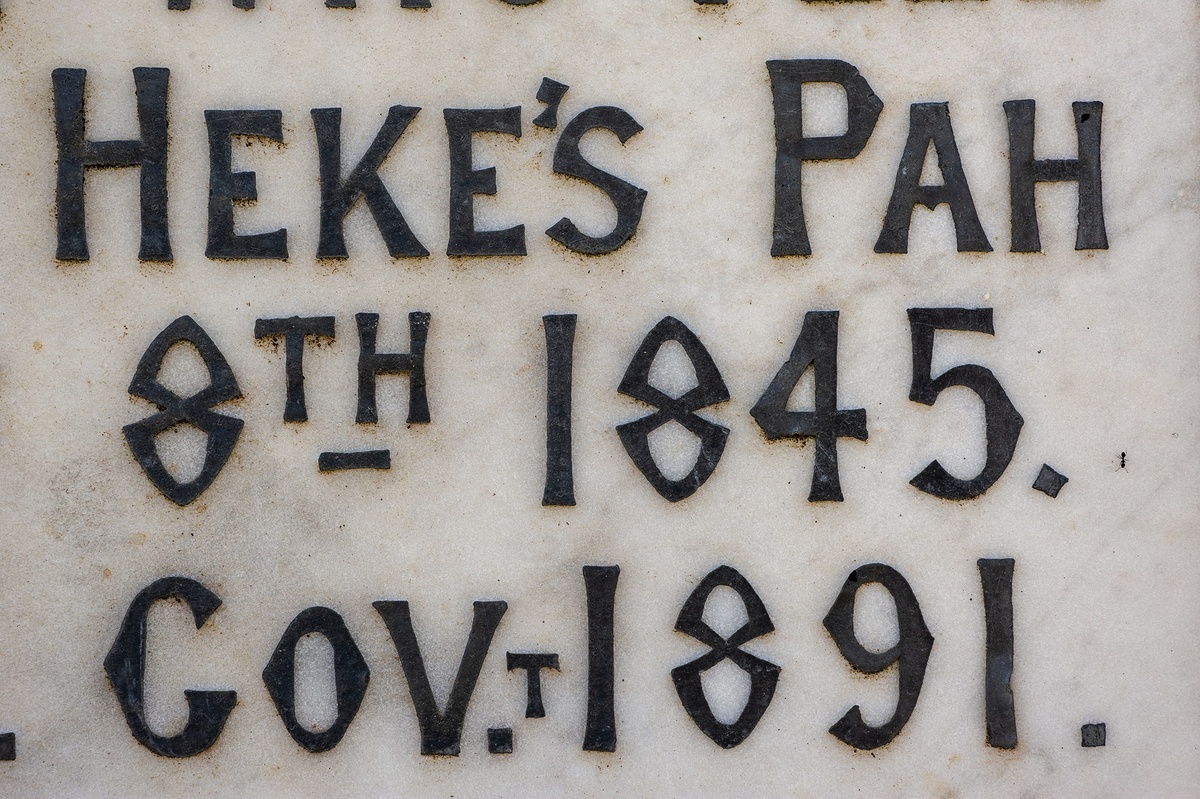
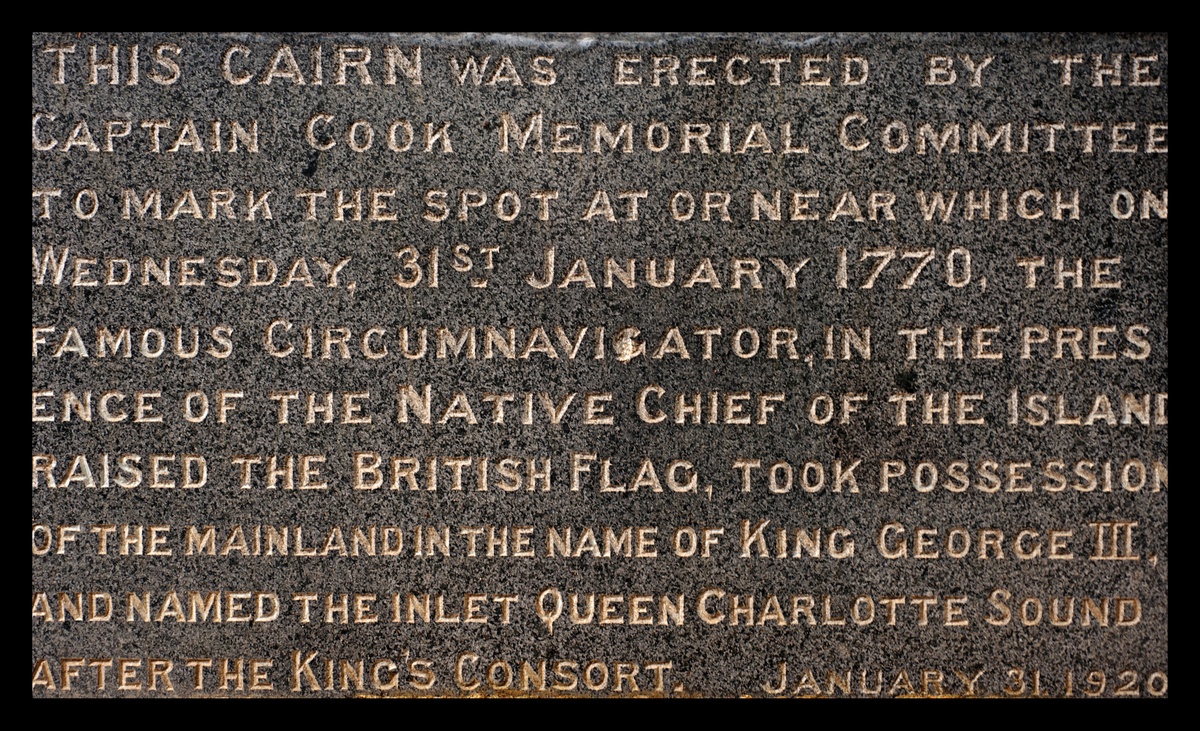
“The captain says, ‘hoist the flag here’, and the Union Jack flew. Wednesday, 31 January 1770, in the presence of the chief — the height of summer, ‘light winds and variable’ on Motuara, this little island, a gesture to Tōtaranui Queen Charlotte Sound, Aotearoa New Zealand — Captain Cook took ‘possession’ of the ‘mainland’ for King George III.”
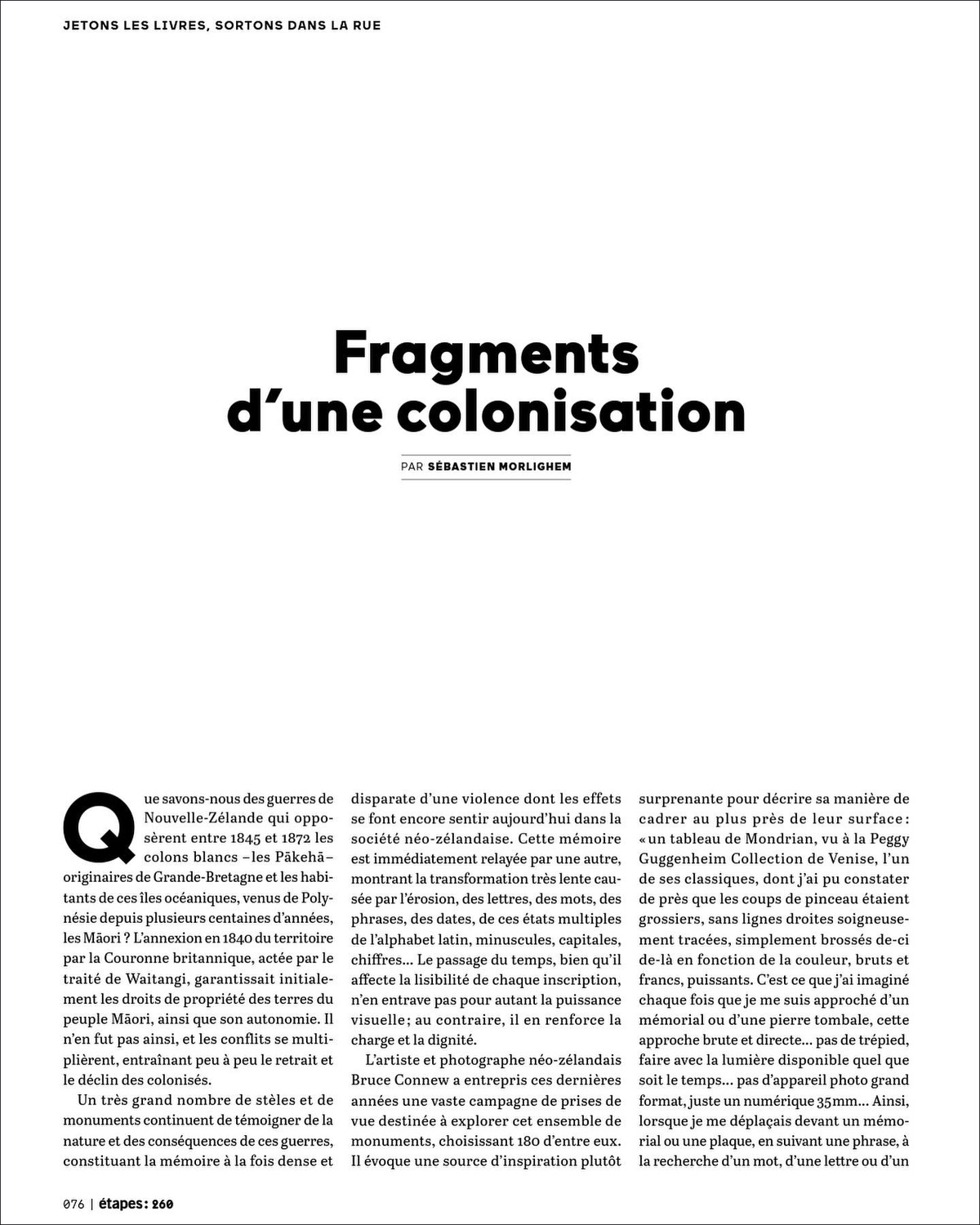
A Vocabulary in étapes magazine 260, mars–avril 2021
In this moment of brutal 21st century imperialism (when has imperialism ever been absent, or not brutal) it’s well to remember Aotearoa New Zealand’s unfortunate (and brutal) 19th century→ journey through colonisation.
Researcher and educator in the history of typography Sébastien Morlighem @smorlighemout of Amiens, Hautes de France, bought a copy of ‘A Vocabulary’, at an early stage and wrote ‘Fragments d’une colonisation’, with a spread of image works, an informed and generous piece for French graphic and visual culture magazine @etapes, merci beaucoup.
Good friend Indra Kupferschmid @kupfers, typographer and professor in Saabrücken, Germany, bought a copy at a late stage, just the other day (the edition is almost sold out), and turns out she is a friend of @smorlighem! I like this.
The exhibition is on at Te Kōngahu Museum of Waitangi until 22 May 2022, before MTG Hawke’s Bay Tai Ahuriri in December.
@vapourmomentabooks @studiocatherine
@rangihiroa @te_uru_gallery
@taurangaartgallery @waitangitreatygrounds
@mtghawkesbay @creativenz
#bruceconnewavocabulary
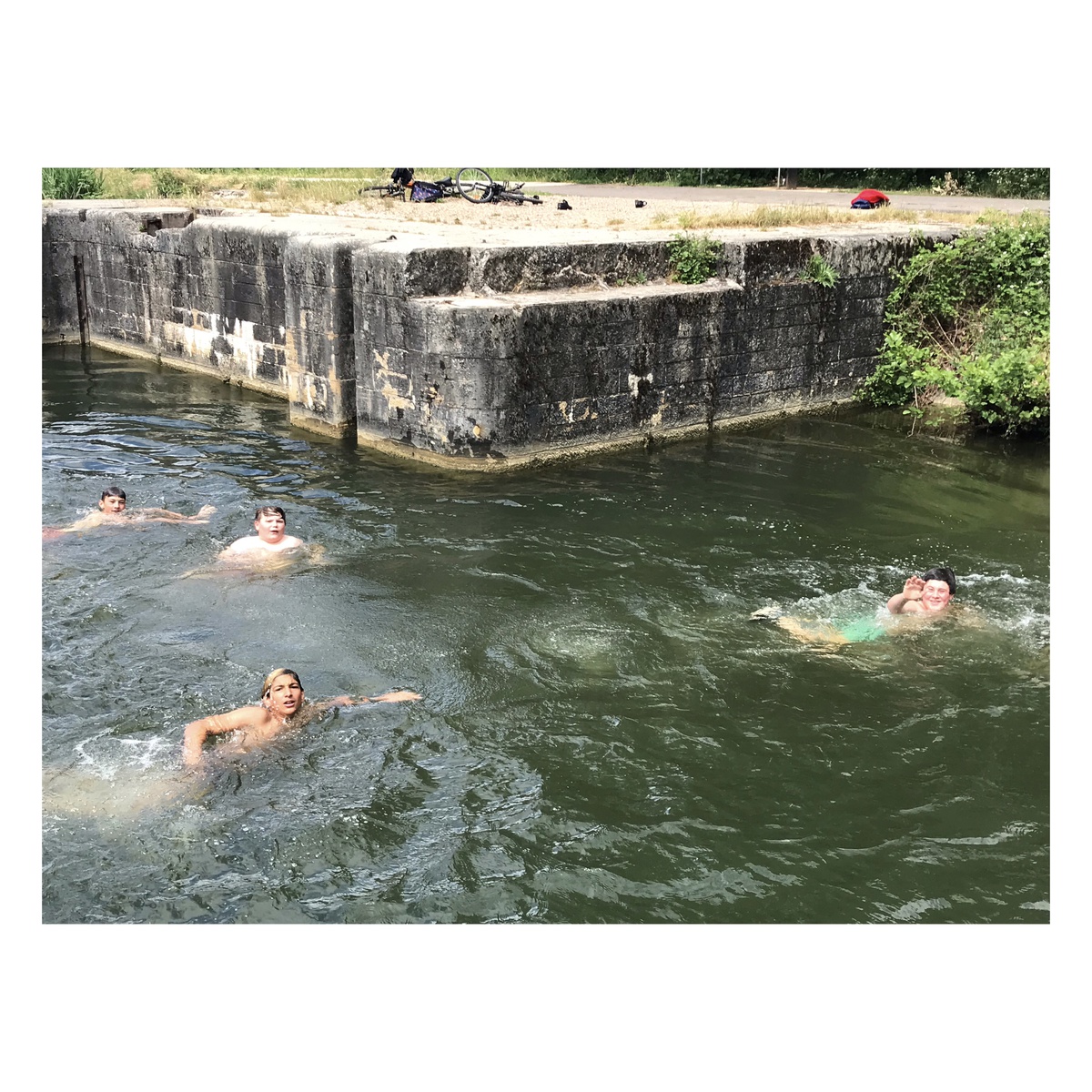
The heat of the day, July 2022
The heat of the day (>39°) up the Seine and the Yonne aboard our old Dutch milk tanker, a previous life on Friesland farm canals before trucks, narrow, elegant, rivet-fabricated, 1910, a Beurtschip, now pottering along doing our mahi on these two rivers of France, from work to work, an oddball mixture of history between .. good steel in those days!
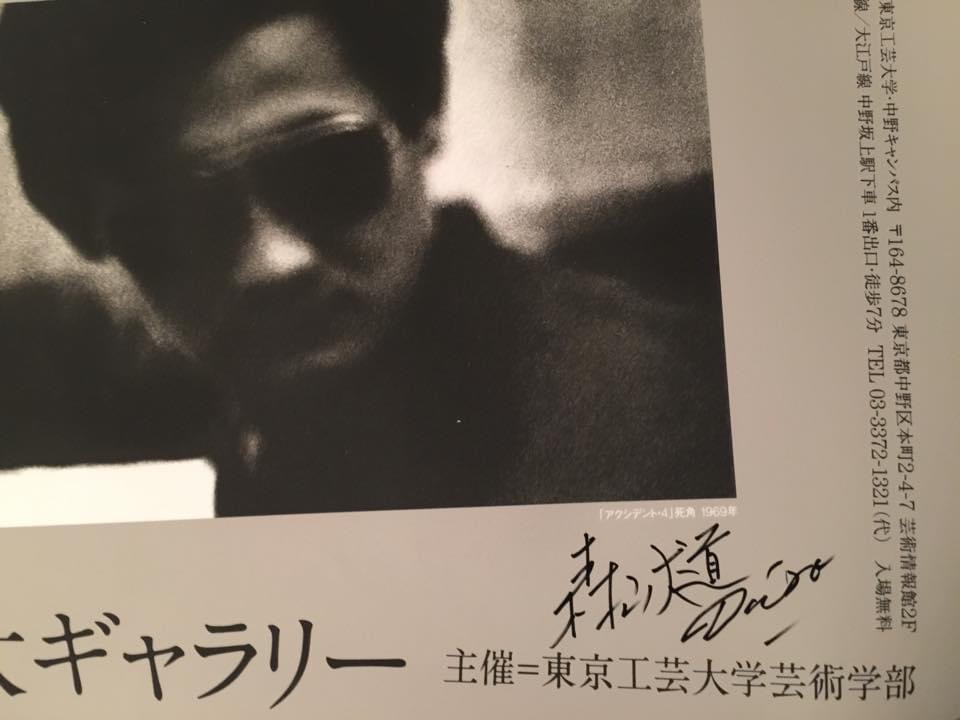
.. exhibition poster
.. seven years ago, as a kindness (“This one’s for you, Bruce Connew!”), @masayoshikodaira had Daido Moriyama autograph an exhibition poster Masa designed for the consummate photographer, how 🆒 is that!
Masayoshi, amongst others, has written exquisitely for the book on @studiocatherine’s survey of selected works from her 2019 Shanghai exhibition »catherine griffiths: SOLO IN [ ] SPACE« to be published in Shanghai by @pocca.design for launch at the @shanghaiartbookfair end of October, holy smoke, in a couple of weeks .. what a team effort this last little while 💨
BRUCE CONNEW / 10.2021
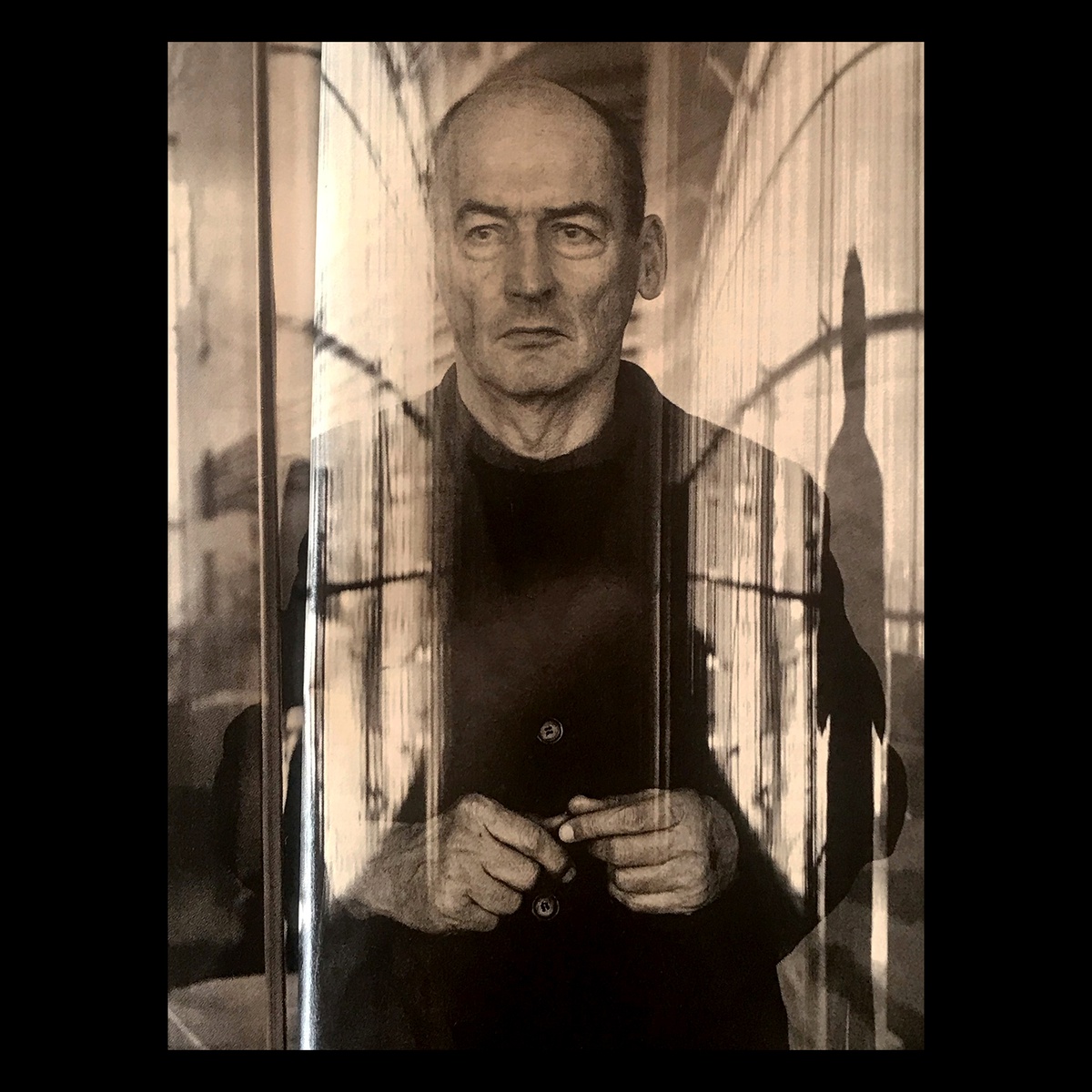
.. sometimes, you choose the wrong name at the wrong time!
Bill Culbert’s beautiful and rigorous work exhibited 2009 in London at a small, sort of street front neighbourhood gallery, PEER .. Aotearoa’s past-poet laureate Ian Wedde was there with his ‘elegant and concentrated’ new book ‘Bill Culbert: Making Light Work’ .. Ian and Bill were late to the exhibition opening, a wet traffic night in London, which kept the good numbers at the gallery chatting away, while smokers hung out in the wet just outside the front entrance.
Before long, I was in conversation with an Argentinian woman: ‘what do you do?’ ‘I’m an architect’, she says, and I ask with whom, a large practice? ‘No, no, no,’ she says, ‘by myself, very small.’ Ah, I suggest, small is good, look what happens when an architect becomes very big, look at Rem Koolhaas, that Beijing CCTV loop-of-a-building, and I quickly taper off my disparaging of the outsize as her face contorts, and she says, ‘Rem Koolhaas is a good friend of mine. In fact, his wife is due here in five minutes.’ I open my mouth without sound, shuffle, and back off that line of procalmation. I can’t recall the Argentinian architect’s name, nor the name of the wife of Rem Koolhaas, who did indeed arrive in five minutes. I am introduced, sheepish and hushed, and politely excuse myself after two or three minutes, dazed and confused, and head for the smokers. After a while, the wife of Rem Koolhaas exits the gallery and pleasantly says goodbye as she passes, and a few minutes later the Argentinian architect stops alongside at the exit, and says, ‘I didn’t say a word’.
BRUCE CONNEW / 11.2021
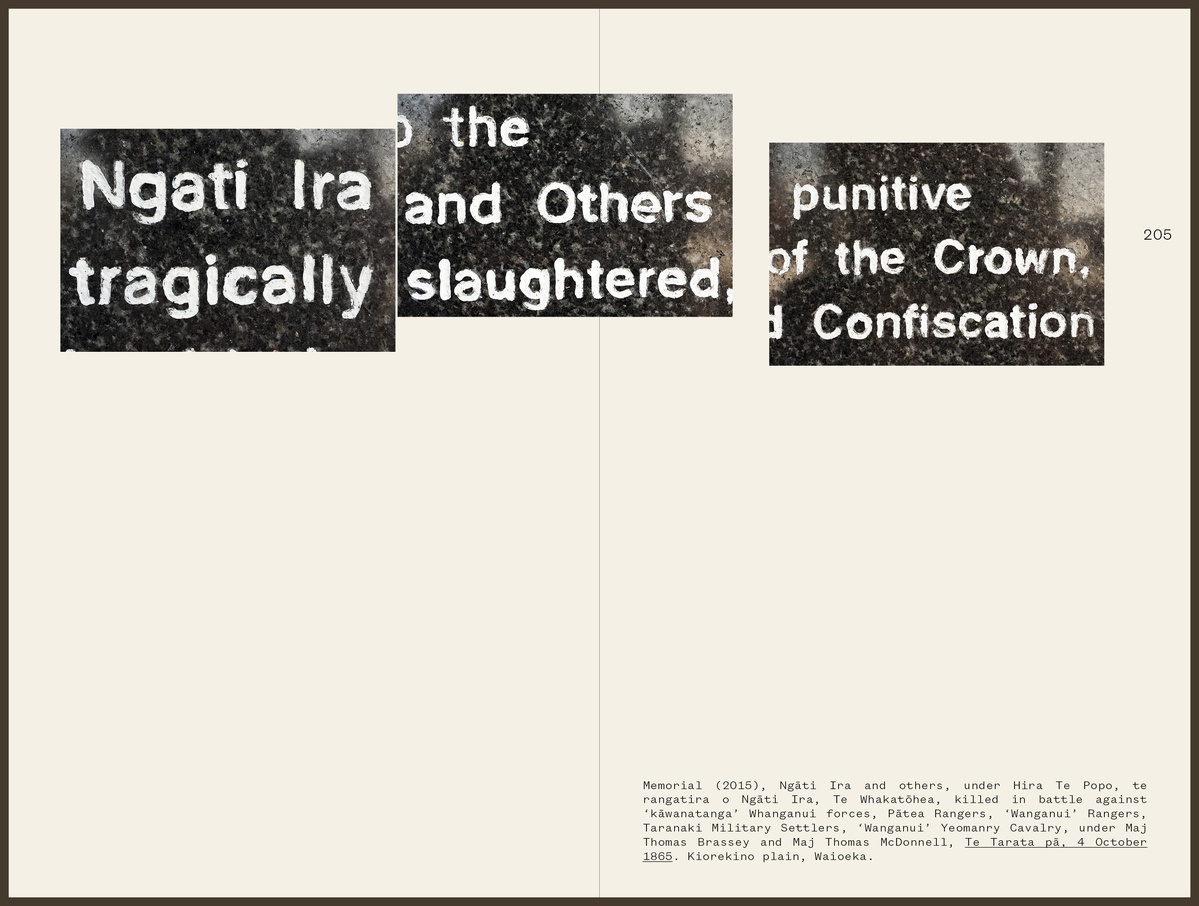
.. panel to kōrero
.. the exhibition A Vocabulary @te_uru_gallery, Titirangi ends this Sunday 14 February, “this very moving exhibition,” says John Hurrell today on EyeContact blog, a vocabulary of colonisation .. Saturday, 13 February, 13:00-15:00h, @studiocatherine, @rangihiroa and I are on a panel to kōrero about our work for this long journey about Aotearoa New Zealand’s reprehensible colonial wars, chaired by Andrew Clifford, director of the gallery
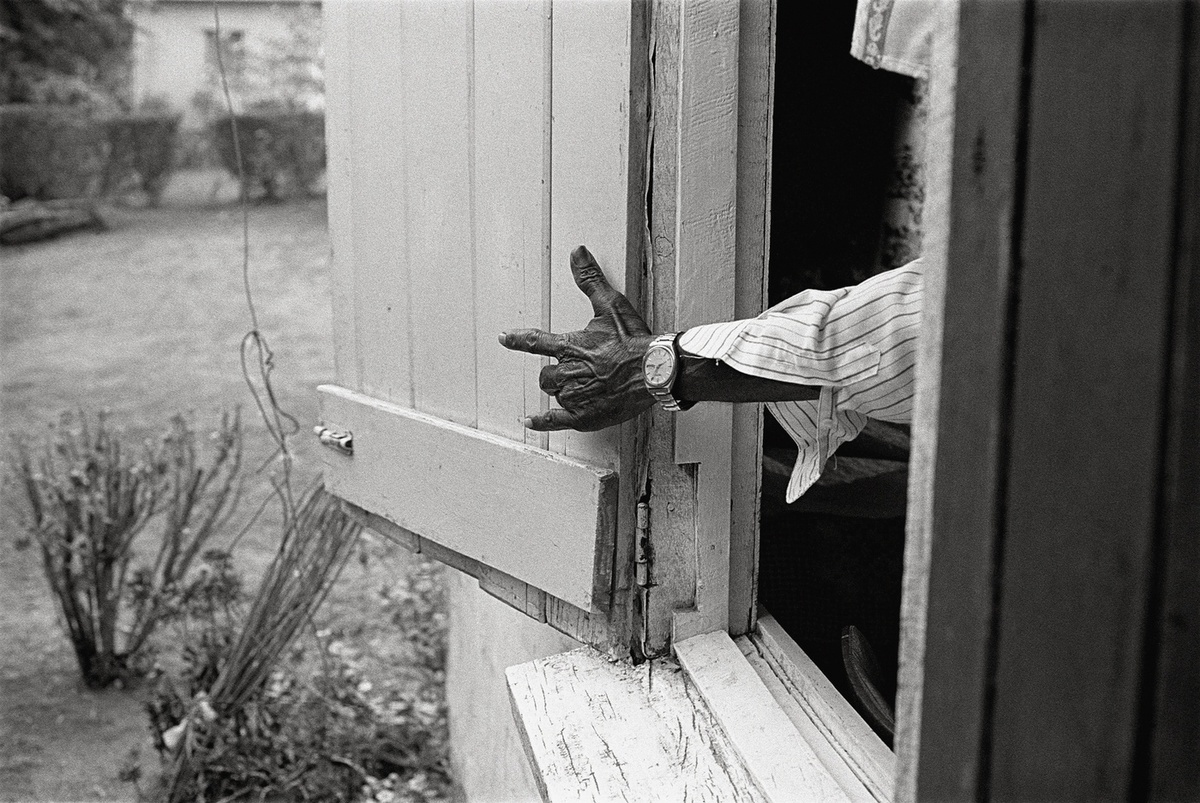
... a story by Brij Lal
Brij Vilash Lal (Tabia, Labasa, Fiji, 21 August 1952 – Brisbane, Australia, 25 December 2021), historian, academic, educator, writer, and one of three members of the Constitutional Review Commission that led to the adoption of the 1997 Fiji Constitution. He warm-heartedly wrote this short story of migration for Stopover (Victoria University Press and University of Hawai’i Press, 2007). Brij was a colossal Indian-Fijian, an immense mind, treated poorly by the Bainimarama government, and died while in forced exile from Fiji, the country of his birth.
I seldom visit Tabia now, the village of my birth and childhood. The place is a labyrinth of memories better left untouched. But on the rare occasion I do, I always make an effort to see Arjun Kaka. Now in his late seventies, he is the only one in the village who has a direct connection to my father’s generation, the last link to a fading past. He knows my passion for local history and we talk endlessly about past events and people. Kaka is illiterate and a vegetarian and teetotaller. Everyone in the village knows him as a man of integrity, a man with a completely unblemished reputation. His wife died about a decade ago and he now lives on the farm with the family of his deceased son. The other three boys, bright and educated, migrated to Australia after the 1987 coups. He misses them desperately, for this is not the way he had wanted to spend his twilight years. He now wishes one of them had remained behind. There is no telephone in the house and letters from his children are rare. He wonders about his grandchildren, how old they are, what they look like, if they remember him, ruminating like old men usually do.
A few years ago, covering a general election, I went to Labasa and visited Kaka. ‘Why don’t you visit Krishna and the other two boys, Kaka?’ I said after he had mentioned how badly he missed his children. ‘At my age, Beta, it is difficult,’ he said sadly. ‘You know I cannot read and write. Besides, my health is not good.’ ‘Kaka, so many people like you travel all the time,’ I reminded him. ‘Look at Balram, Dulare, and Ram Rattan.’ Formerly of Tabia, they had moved to town when their leases were not renewed. Some had even gone to Viti Levu. Kaka nodded but did not say anything. Then an inspired thought occurred to me. I was returning to Australia a few weeks later and could take Kaka with me. When I made the offer, his face lit up, all the excuses forgotten. They were excuses, really, nothing more. He had a deep yearning to travel and see his children and grandchildren but not knowing how. ‘Beta, e to bahut julum baat hai,’ he said — this is very good news indeed, son. He embraced me. ‘You are like my own son. Bhaiya [my father] would be very proud of you.’ If truth be known, since dad’s death, I regarded Arjun Kaka as a father figure.
Once a rural backwater, Labasa was on the move. There was a time when going to Suva was considered ‘going overseas’, an experience recounted in glorious and often embroidered detail for years. Australia and New Zealand were out of the question. ‘The place is emptying day by day, especially since all the jhanjhat [trouble] started.’ He meant the coup. ‘There is no growth, no hope. Young people, finishing school, leave for Suva. No one returns. There is nothing to return to.’ ‘Dil uth gaye,’ Kaka said — the heart is no longer here. Kaka’s observation reinforced what I had been told in Suva. There was hardly a single Indo-Fijian family in Fiji which did not have at least one member abroad. ‘The best and the brightest are leaving,’ a friend had remarked in Suva. ‘Only the chakka panji [hoi polloi] remain.’ The wealthy and the well-connected had their families safely ‘parked’ in Australia and New Zealand, he had said. An interesting way of putting it, I thought, suggesting temporariness, a readiness to move again if the need arose. I had heard a new phrase to describe this new phenomenon: frequent flyer families. Those safely abroad talked of loyalty and commitment to Fiji, of returning one day, but it was just that, talk, nothing more. I felt deeply for people who were trapped in Fiji, victims of fate, living in suffering and sufferance.
Migratory shorebird watchers
Recreational vehicles of migratory shorebird watchers at Pūkorokoro / Miranda on the western shore of the Firth of Thames, Aotearoa New Zealand early this year.
The high tide shelly beach ridges here form roosting enclaves for kūaka godwits, huahou red knot, ngutu parore wrybills, tutūriwhatu dotterels, tōrea South Island pied oystercatchers, tōrea pango variable oystercatchers, poaka pied stilts, sandpipers, spoonbills, terns and more. A truly special place! Pūkorokoro / Miranda Shorebird Centre is the pivot.
Miranda was named after HMS Miranda, a British naval warship that shelled the Ngāti Pāoa settlement of Pūkorokoro November 1863 during the invasion and land confiscations of the Waikato, a part of Aotearoa New Zealand’s heinous colonial wars.
Pūkorokoro, the name, was discarded by the British during colonisation in favour of Miranda, until, in 2015, Ngāti Pāoa proposed through the Office of Treaty Settlements the dual name Pūkorokoro / Miranda.
A business group has proposed an international shipping port in the Firth of Thames, holy smoke, a never ending story!
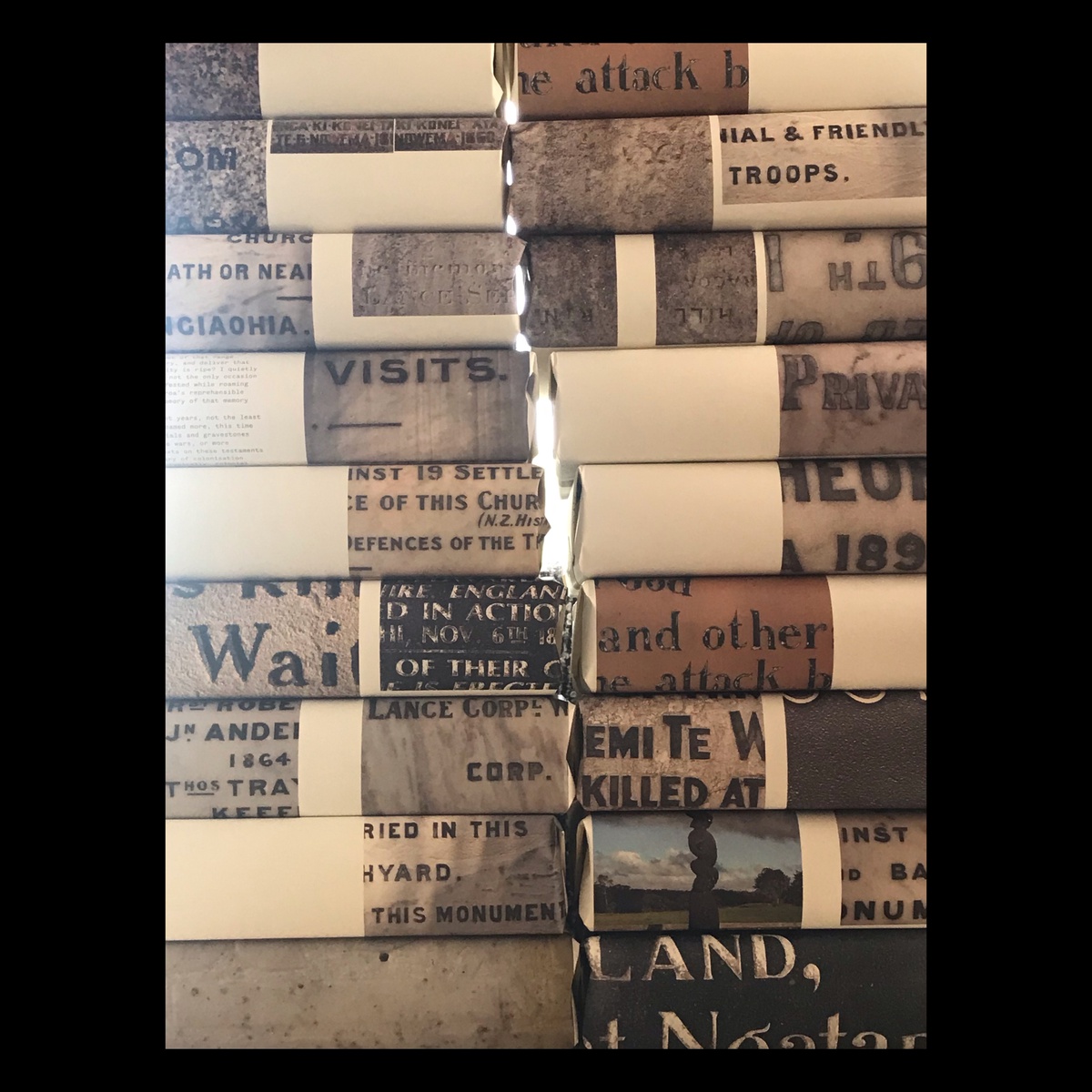
... wrapped for posting
.. another stack of ‘A Vocabulary’ wrapped and posted today, here, there and everywhere (but why is New Zealand Post so big-ticket!??) .. more beautifully bound copies from the bookbinder soon, which we wrap with printer’s sheets retrieved from their recycle ♻️ bin and brown paper tape when you order online, link below .. dropped off copies to @te_uru_gallery shop for their long order list and shop counter, can’t keep up💨 .. all books signed by both @bruceconnew and @rangihiroa .. the exhibition on until 14FEB21🚩
“... spot a heathen!”
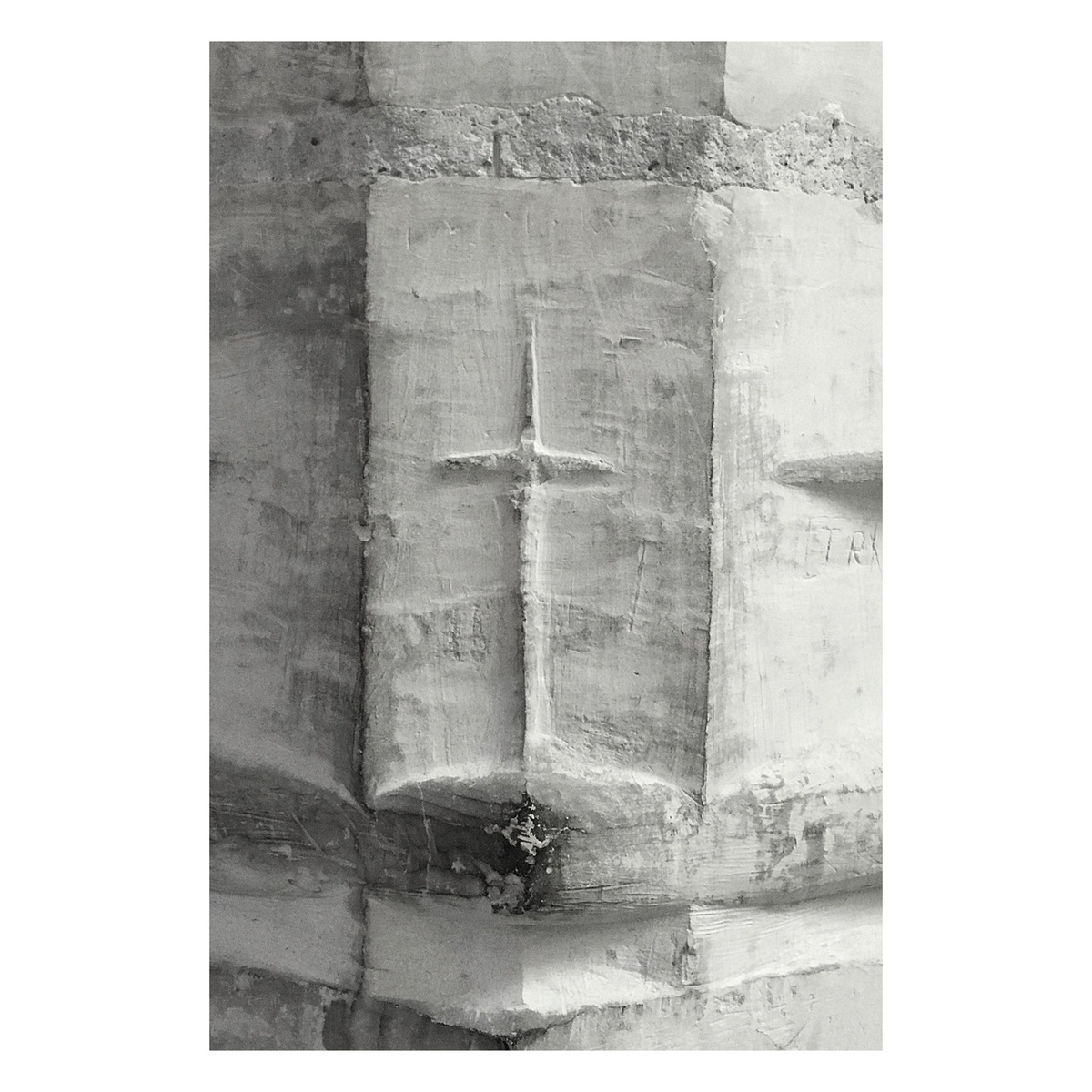
There’s a 16th century, cathedral-sized church in St. Florentin, Bourgogne, Église de St. Florentin, quite exceptional .. it was locked, but I collected the big key this afternoon, and wandered, completely alone; uncharitably, I locked the heavy, wooden door behind me to remain alone — the chapels, ambulatory, the unfinished nave, the rood screen, baptismal, sacristy, the transept, north portal, here and there, the sun cascading through the west-side, well-storied stained glass windows, although not as awesome in the Autumn afternoon sun, I recall, as Gerhard Richter’s spectacular, abstract stained glass window in the scary Cologne Cathedral (that’s another story!).
I tried three times to light a candle in this church at St. Florentin, but each time an unseen ecumenical wind took the light away. When I WhatsApp’d this phenomenon to my London-based Catholic daughter, she said: “they can spot a heathen!”
Berlin is the next stop for ‘folded eggs’, to share the @gloria__books book table with @aliceconnew, another daughter (artist book: ‘forty three’), at Friends With Books, Hamburger Bahnhof Museum .. if you’re in the ‘hood October 19-21, we’ll be there, @studiocatherine too
Sand critters social distance on Karekare beach, Tāmaki Makaurau, Auckland
Social distance yesterday, 21 March 2020, on Karekare beach where Jane Campion’s ‘The Piano’ was made with Michael Nyman’s soundtrack, the glorious fringes of Aotearoa New Zealand.
Public notice: @vapourmomentabooks, the pocket-sized publishing arm of Catherine Griffiths and Bruce Connew, in the face of rampant COVID-19, has temporarily shut the doors on its international photobook stores 😂, but we remain online (see books&shop) in our Karekare bush studios champing at the bit behind New Zealand’s closed border, post-free worldwide, while there is post, while there is still a world .. be safe, everyone, and caring .. 🚩🚩🚩
@studiocatherine
@bruceconnew
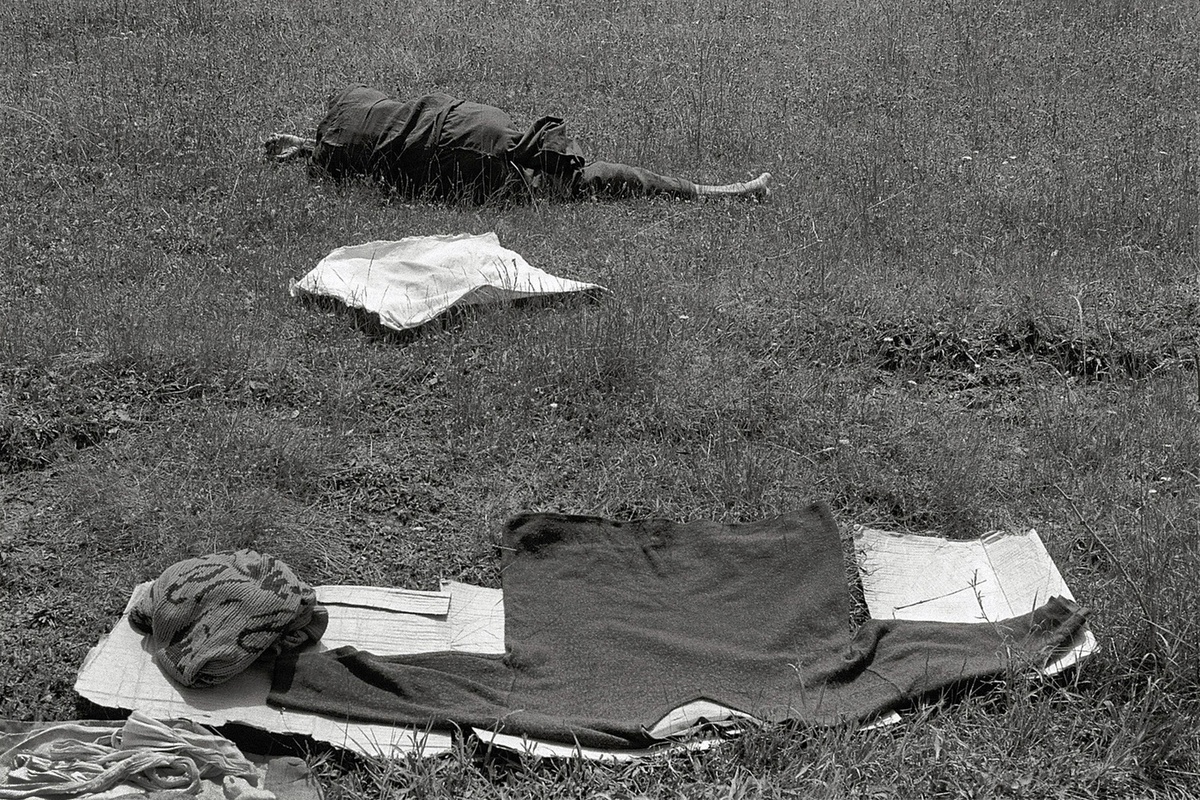
from PRESS ESCAPE TO CANCEL
“A MAN AND A WOMAN in a small red car reversed along the dirt berm towards me. I had been hitchhiking less than ten minutes. The previous evening, in Lazio’s bar, I had celebrated the Albanian Kosovars’ return with twelve men, including the man driving the small red car. He reminded me of this, because I didn’t recognise him. We established, in and out of gesticulations, and some English words, that his wife worked in a laboratory, or that’s what I thought we had established. When we reached their destination, I looked out the car window while gathering my overnight bag and camera and observed through a high wire fence, two men in pyjamas lying in long grass under a warming sun. In the way that photographers do, I took two quick photographs. On seeing me do this, the man from the small red car waved me towards the guarded entrance while his wife turned and grinned embracingly. I pointed to my camera, and then towards the entrance, and he laughed loudly, shouting, “Free Kosova!” She laughed heartily too. We were at Enti Special Hospital for the Mentally Ill. The wife was the doctor, and her husband was delivering her to her first day back since the bombing began.”
— Bruce Connew, excerpt from ‘Press Escape to Cancel’, SPORT 24, Summer 2000
I entered Kosova from Macedonia on 19 June 1999, seven days after Nato troops, and hitchhiked about for eight days during the early return of Albanian Kosovar refugees. Press Escape to Cancel project.
BRUCE CONNEW / 01.2000